
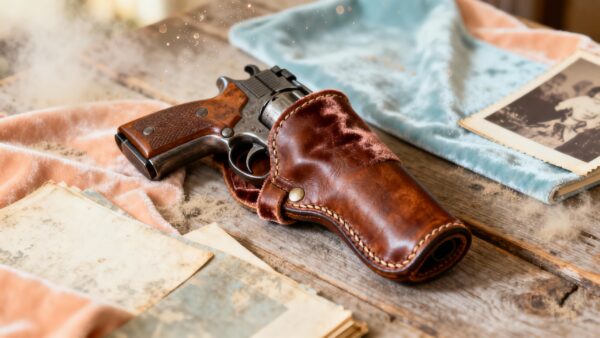
In an era dominated by high-tech polymers and lightweight synthetic materials, one might expect traditional leather gear to have faded into the background of the firearms industry. However, the opposite is true. Leather gun holster continue to maintain a massive and loyal following among concealed carry permit holders, law enforcement officers, and recreational shooters alike. While modern plastics offer certain tactical advantages, they often struggle to compete with the organic comfort, aesthetic appeal, and unique aging process that only natural hide can provide. Understanding the continued dominance of leather requires a look at how this ancient material adapts to the modern needs of personal protection.
The Superior Comfort of Natural Materials
The primary reason many gun owners refuse to switch from leather to synthetic alternatives is the sheer level of comfort. Unlike rigid plastic shells that can dig into the hip or torso, leather is a flexible material that naturally breathes. Over time, a high-quality leather holster undergoes a breaking-in period where it conforms to the specific contours of the wearer’s body. This creates a personalized fit that makes carrying a firearm for ten or twelve hours a day much more manageable.
Furthermore, leather reacts better to body heat and moisture than most synthetics. In warmer climates, a plastic holster can create a sweat barrier that leads to skin irritation or chafing. Leather tends to absorb and dissipate a small amount of moisture, keeping the interface between the body and the holster much more comfortable. For those who carry every single day, the ability of the holster to “move” with the body rather than resisting it is a decisive factor in its favor.
Silence and Discretion in the Field
In tactical and self-defense scenarios, silence can be just as important as speed. One of the inherent drawbacks of hard synthetic holsters is the audible “click” or “snap” they produce when the firearm is drawn or re-holstered. This sound is caused by the rigid material locking onto the trigger guard. While this provides excellent retention, it can also signal a person’s movements in a quiet environment.
Leather holsters provide a much quieter draw. The soft interior of a lined leather holster allows the firearm to slide out with a muffled hiss rather than a sharp mechanical crack. For hunters or those concerned with deep concealment, this stealthy operation is a significant benefit. Additionally, leather does not reflect light or glare in the same way that some polished plastics do, helping the holster blend in more naturally with everyday clothing like belts and jackets.
Aesthetics and the Art of the Patina
There is an undeniable emotional and aesthetic connection to leather that synthetics simply cannot replicate. For many owners, a firearm is a significant investment and a piece of craftsmanship, and they feel it deserves a holster that matches that quality. A well-made leather holster features intricate stitching, burnished edges, and a rich scent that evokes a sense of tradition and heritage.
As a leather holster ages, it develops a patina—a unique darkening and smoothing of the surface that tells the story of its use. This aging process makes the holster look better the more it is used, whereas a plastic holster simply accumulates scratches and scuffs. This longevity and evolving beauty make leather holsters a popular choice for those who view their gear as a long-term companion rather than a disposable tool.
Conclusion
The enduring popularity of leather gun holsters is a testament to the idea that classic designs often address human needs in ways that technology cannot. By offering a blend of anatomical comfort, silent operation, and timeless style, leather remains a gold standard in the firearms community. While synthetic holsters certainly have their place in specialized tactical roles, the leather holster continues to thrive as the preferred choice for those who value the perfect marriage of form and function. Choosing leather is not just a nod to the past; it is a practical decision for a more comfortable and discreet future.


More Stories
The Law’s Hidden Symphony: Where Rights and Wrongs Compose
Know Your Power: Unlocking the Legal Rights You Didn’t Know You Had
Revolutionizing Justice: How Modern Law Firms Are Shaping the Future of Law